Practicals in colleges are an essential component of many academic programs, particularly in fields such as science, engineering, and technology. These hands-on sessions provide students with the opportunity to apply theoretical knowledge gained in lectures to real-world scenarios, conduct experiments, and develop practical skills. Here are some common types of practicals found in colleges:
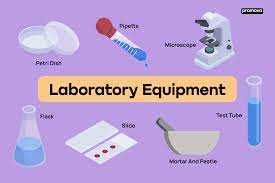
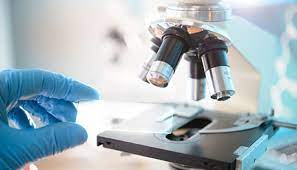
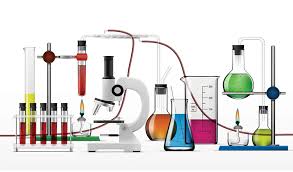
1. Laboratory Experiments: These are perhaps the most common type of practical in science and engineering disciplines. Students work in a laboratory setting, conducting experiments related to their coursework under the guidance of instructors. These experiments often involve using specialized equipment, performing measurements, and analyzing data.
2. Fieldwork: In disciplines like environmental science, geology, and geography, fieldwork is a crucial component of practical learning. Students may visit natural environments, geological sites, or urban areas to collect data, conduct surveys, or make observations.
3. Simulation Exercises: In fields such as computer science, engineering, and business, simulation exercises allow students to explore theoretical concepts in a controlled virtual environment. This could involve simulating business scenarios, engineering designs, or computer network configurations.
4. Design Projects: Many engineering and design programs incorporate practical design projects where students work in teams to develop solutions to real-world problems. These projects often require students to apply principles of engineering, design thinking, and project management.
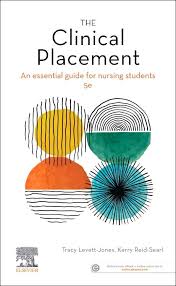
5. Clinical Placements: In disciplines like medicine, nursing, and allied health sciences, students undertake clinical placements in hospitals, clinics, or community settings. This hands-on experience allows students to apply their theoretical knowledge in real healthcare settings under the supervision of qualified professionals.

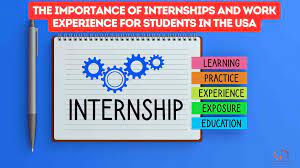
6. Internships and Work Placements: Some programs incorporate internships or work placements as part of the curriculum. These experiences provide students with the opportunity to gain practical work experience in their chosen field, develop professional skills, and build industry connections.

7. Demonstrations and Workshops: In addition to hands-on practicals, colleges often organize demonstrations and workshops where students can observe experiments or techniques being performed by experts. These sessions complement practicals by providing additional context and understanding.
Overall, practicals play a vital role in enhancing students' learning experiences, fostering critical thinking, problem-solving skills, and preparing them for future careers in their respective fields.
ICT Director
Samuel Emmanuel Jeku, ACISMDM